

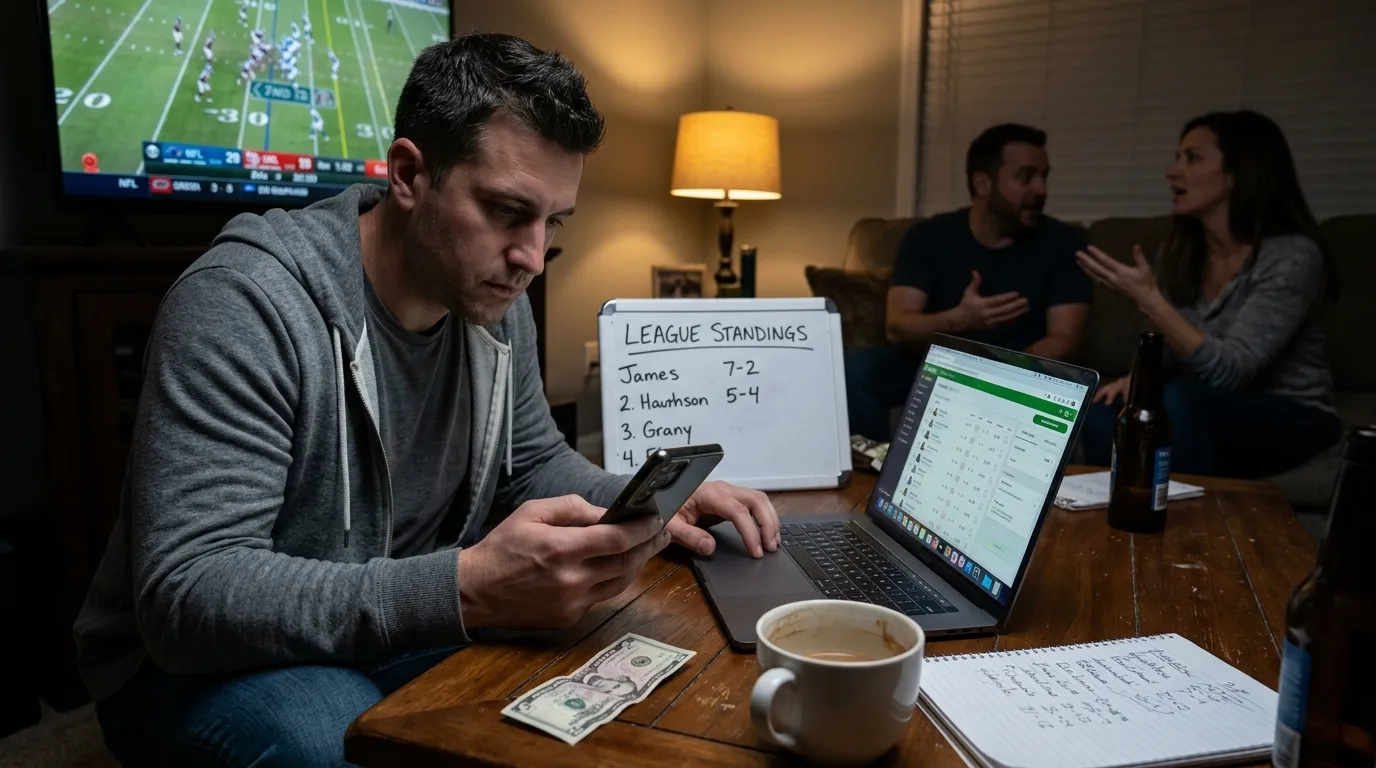
Many fans wonder is fantasy football gambling when drafting their weekly rosters. This guide explores the legal boundaries, psychological impacts, and the skill versus chance debate surrounding fantasy sports.
When you ask is fantasy football gambling, you uncover a complex legal and psychological debate. This article explains the crucial differences between season-long leagues and Daily Fantasy Sports. We break down the federal laws, explore the heavy reliance on skill, and provide actionable tips to keep your gameplay responsible, fun, and legally compliant.
The Big Question: Is Fantasy Football Gambling?
Every autumn, millions of fans log online to draft their rosters, make trades, and compete for cash prizes, inevitably sparking the question: is fantasy football gambling? The answer largely depends on who you ask, where you live, and the specific format you choose to play. To truly determine is fantasy football gambling, we must examine the definitions of gambling under federal and state laws.
Legally, gambling involves risking money on an outcome predominantly determined by chance rather than skill. Because fantasy sports require participants to analyze statistics, track injuries, and manage rosters over time, many lawmakers classify it as a game of skill. However, when cash prizes and entry fees enter the equation, the line blurs. If you find yourself asking is fantasy football gambling, you must look at how much chance influences your weekly matchups.
Those wondering is fantasy football gambling often point to the unpredictable nature of live sports. A star quarterback might tear a ligament in the first quarter. A referee might blow a crucial call. Weather conditions can ground a high-flying passing attack. Despite the heavy research involved, chance dictates a massive portion of the outcome. Understanding this balance is the first step in answering is fantasy football gambling.
The Legal Framework: Why Is Fantasy Football Gambling Treated Differently?

To comprehend why lawmakers debate is fantasy football gambling, we must look at the legal history. In the United States, federal law treats fantasy sports quite differently from traditional sports betting. This distinction stems from specific legislation designed to target online casinos while protecting harmless online games.
When people ask is fantasy football gambling, experts often point to the Unlawful Internet Gambling Enforcement Act of 2006. This federal law specifically exempted fantasy sports from its definition of illegal gambling, provided the games meet certain criteria. The law states that winning outcomes must reflect the relative knowledge and skill of the participants. For anyone wondering is fantasy football gambling, this exemption provides the primary legal shield for major platforms.
However, state laws complicate the question of is fantasy football gambling. While federal law provides an exemption, individual states hold the power to regulate or ban fantasy sports entirely. Some states completely restrict cash-prize fantasy contests, effectively declaring that the answer to is fantasy football gambling is a resounding yes. If you plan to play for money, you must check your local jurisdiction to see how they answer the question: is fantasy football gambling?
Daily Fantasy Sports and the Law
Daily Fantasy Sports accelerated the debate over is fantasy football gambling. Traditional leagues require a season-long commitment, which dilutes the element of chance over several months. You build a roster, adapt to injuries, and execute long-term strategies. Because of this duration, courts easily recognize the skill involved, making the answer to is fantasy football gambling lean toward “no” in traditional formats.
Daily Fantasy Sports compress this experience into a single day or weekend. You pay an entry fee, draft a team under a salary cap, and win or lose within hours. This rapid turnover mimics the instant gratification of traditional sports betting. When regulators ask is fantasy football gambling, they look closely at these daily formats. The speed, the frequent entry fees, and the large cash prizes make Daily Fantasy Sports look and feel much more like traditional wagering.
The Role of Skill vs. Chance
The legal and ethical debate surrounding the question is fantasy football gambling hinges entirely on the balance of skill and chance. If skill dominates, it is a competition. If chance dominates, it is gambling.
When you ask a professional player is fantasy football gambling, they will highlight the intense preparation required to win. Successful participants consume hours of data. They study defensive schemes, target share percentages, weather forecasts, and historical matchup data. They understand value-based drafting and waiver wire prioritization. To these experts, the answer to is fantasy football gambling is no, because their rigorous preparation consistently yields positive financial returns over a long period.
Conversely, when addiction counselors ask is fantasy football gambling, they highlight the unpredictable variables. You cannot predict a sudden hamstring tear. You cannot predict a coach benching a star player unexpectedly. In any given week, a complete novice can beat a seasoned expert purely through luck. Because chance can completely override skill in the short term, many observers argue that the answer to is fantasy football gambling is yes.
Understanding the Formats

To accurately determine is fantasy football gambling, we must compare the two primary formats. The structure of the game heavily influences how much skill you need and how much financial risk you assume.
Season-Long Fantasy Leagues
In a season-long league, you draft your team in August and manage it through December. You pay a single entry fee at the beginning of the year. Throughout the season, you execute trades, pick up free agents, and adjust your lineup based on weekly matchups.
So, is fantasy football gambling in this format? Most experts say no. The long duration rewards consistent, strategic management. A single lucky week will not win you the championship. Furthermore, the financial risk is limited to a one-time entry fee, reducing the likelihood of compulsive spending. For those exploring responsible fantasy league structures, season-long formats offer the safest entertainment.
Daily Fantasy Sports
Daily Fantasy Sports operate on a hyper-accelerated timeline. You draft a new team every week or even every day. You pay an entry fee for every single contest you join. If you lose on Sunday morning, you can instantly pay another entry fee to join a Sunday afternoon contest.
When analyzing is fantasy football gambling, this format raises red flags. The ability to instantly chase losses by entering new contests directly mirrors the behavioral loops found in traditional casino games. The heavy reliance on short-term variance means luck plays a much larger role. If you are asking is fantasy football gambling, the daily format provides the strongest evidence that it functions as a betting mechanism.
Comparing Season-Long and Daily Formats
To visually answer the question is fantasy football gambling, let us look at a breakdown of how the two main formats operate.
|
Feature |
Season-Long Leagues |
Daily Fantasy Sports |
|---|---|---|
|
Duration |
4-5 Months |
1 Day to 1 Week |
|
Financial Risk |
One-time entry fee |
Multiple entry fees allowed daily |
|
Skill Factor |
High (Long-term roster management) |
High (Data analysis), but heavy short-term variance |
|
Ability to Chase Losses |
None (Cannot buy back in) |
High (Can instantly enter new contests) |
|
Legal Scrutiny |
Low |
Very High |
By reviewing this table, you can see why regulators asking is fantasy football gambling focus almost entirely on the daily format.
The Psychological Impact

We cannot answer the question is fantasy football gambling without discussing the psychological impact on the players. For many, fantasy sports provide a harmless way to connect with friends and enjoy football. However, for a vulnerable minority, the game triggers the exact same neurological responses as pulling a slot machine lever.
When mental health professionals ask is fantasy football gambling, they look at the behavioral symptoms. Does the player experience a dopamine rush when their player scores a touchdown? Do they feel intense anxiety or anger when a player underperforms? Do they spend money they cannot afford to lose on entry fees? If a player exhibits these behaviors, the technical legal definition matters very little; practically speaking, the answer to is fantasy football gambling is yes.
If you find yourself constantly depositing more money into your account to cover previous losses, you have crossed the line from entertainment to problematic behavior. Organizations like the National Council on Problem Gambling provide resources for individuals who realize the answer to is fantasy football gambling has become a personal crisis.
Expert Insights on Fantasy Sports
We consulted legal analysts and gaming experts to answer the question: is fantasy football gambling? Their insights reveal a complicated industry navigating a massive gray area.
“When people ask me is fantasy football gambling, I tell them to look at the money flow,” says one gaming industry analyst. “If a platform takes a percentage of the entry fees as a rake, and the players risk money on unpredictable outcomes, it functions exactly like a sportsbook. The ‘game of skill’ exemption is a brilliant piece of legal maneuvering, but it does not change the psychological reality of the transaction.”
Another expert focuses on the preparation aspect. “Is fantasy football gambling? Not if you treat it like day trading. The players who win consistently use advanced algorithms and massive data sets. They eliminate as much chance as humanly possible. For them, it is an investment strategy, not a gamble.”
Common Mistakes to Avoid
If you decide to play for money, you must protect yourself. People who ignore the reality of is fantasy football gambling often make critical errors that drain their bankrolls. Avoid these common mistakes:
- Chasing Losses: If you lose your early games, do not hastily enter the late games to win your money back. This behavior proves that the answer to is fantasy football gambling can be dangerous.
- Ignoring Bankroll Management: Never risk more than 1% to 5% of your total funds on a single contest. Those who fail to manage their money treat the game like a lottery. If you want to improve, you must read up on sports betting bankroll management.
- Playing Outside Your Skill Level: Do not enter high-stakes professional tournaments if you are a casual player. The professionals use algorithms to optimize hundreds of lineups. You cannot beat them with a single entry based on your gut feeling.
- Failing to Understand Scoring Rules: Every platform scores players differently. If you draft a team without reading the scoring rubric, you are relying purely on luck.
Pro Tips for Responsible Play
To ensure your experience remains positive, you must approach the game with discipline. Whether you believe the answer to is fantasy football gambling is yes or no, these pro tips will help you play responsibly:
- Set a Strict Budget: At the beginning of the season, decide exactly how much money you will spend. Deposit that amount and never add more. Treat it as an entertainment expense, like buying a concert ticket.
- Play with Friends: Participating in private leagues with people you know drastically reduces the financial pressure. It keeps the focus on camaraderie rather than financial gain.
- Track Your Entries: Keep a spreadsheet of every entry fee you pay and every prize you win. This objective data prevents you from lying to yourself about your financial performance.
- Take Breaks: If you feel angry or anxious about your lineups, step away from the app. Go outside, watch a movie, and remember that real life matters more than digital statistics. Consulting resources like the Gateway Foundation can help if you struggle to step away.
Navigating the Future of the Industry
The debate over is fantasy football gambling will only intensify as the industry grows. Major platforms continue to merge with traditional sportsbooks, blurring the lines even further. You can now use the same mobile app to draft a fantasy roster and place a traditional point-spread wager.
Because of this convergence, state legislators continuously revisit the question: is fantasy football gambling? We expect to see tighter regulations, stricter age verifications, and mandatory responsible gaming tools implemented across all platforms in the coming years. By understanding the legal definitions, acknowledging the role of chance, and utilizing strict bankroll limits, you can navigate this evolving landscape safely.
To answer is fantasy football gambling, you must look at your own behavior. While federal law defines it as a game of skill, the financial risks and emotional highs mirror traditional wagering. Set strict budgets, avoid chasing losses, and focus on the entertainment value. Play responsibly, use data to drive your decisions, and always prioritize your financial well-being over the game.
FAQs
What exactly is fantasy football?
Fantasy football is a game where you act as a general manager, drafting real-life NFL players to your virtual team. You score points based on the actual statistical performance of those players during their live games.
Is fantasy football gambling under federal law?
Under federal law, specifically the UIGEA of 2006, it is currently exempted from the legal definition of gambling because lawmakers classify it as a game of skill rather than a game of chance.
Why do people ask is fantasy football gambling if it is federally legal?
People ask this because participants risk real money on outcomes heavily influenced by unpredictable real-world events, such as injuries and referee decisions, which closely mirrors traditional sports betting.
What is the difference between Daily Fantasy Sports and season-long leagues?
Season-long leagues require a one-time entry fee and last for months, rewarding long-term strategy. Daily Fantasy Sports last for a single day, allowing users to pay frequent entry fees, which increases the financial risk.
Does playing fantasy football require actual skill?
Yes, consistently winning requires deep statistical analysis, understanding of matchups, value-based drafting, and active roster management, which is why courts often rule it a game of skill.
Can you develop an addiction to fantasy football?
Yes. The dopamine rush of scoring points and winning cash prizes can trigger addictive behaviors similar to casino gaming, making responsible play and strict budgeting incredibly important.
How can I play fantasy football without gambling?
You can easily play in free leagues hosted by major platforms like ESPN or Yahoo. These free leagues offer all the fun of drafting and managing a team without any financial risk.
Do all states allow cash-prize fantasy football?
No. While federally exempt, individual states have the authority to ban or regulate cash-prize contests. Several states actively prohibit Daily Fantasy Sports, classifying them as illegal gambling.
What should I do if I keep losing money on fantasy sports?
You should immediately stop playing, delete the applications from your devices, and evaluate your spending habits. Do not attempt to win your money back by entering more contests.
Are fantasy sports platforms the same as sportsbooks?
While they offer different products, the major daily fantasy companies now operate fully functional traditional sportsbooks, further blurring the line between fantasy gaming and traditional sports betting.
